How to communicate employee benefits and increase uptake


Employee benefits uptake is usually low because people can't find their benefits, can't get into them or don't know which ones apply to them. Most employers think the message is getting through. In Drewberry's 2026 benchmarking report, 91.7% of HR and finance professionals felt their benefits were understood by employees, but only 36% of employees in its 2025 survey said they fully understood their package.
So the fix usually starts with access, before any new campaign. To increase uptake, put every benefit in one place, make it easy to open on a phone, show each person what applies to them and talk about benefits at the moments people need them. Then measure whether people use their benefits, not how often they log in.
We cover why uptake is low, what it costs, how to reach every employee and how to measure what's working, then the steps in order.
Why is employee benefits uptake low?
Uptake is usually low because people don't know what they have or can't easily get to it, not because they don't want the benefits.
Employers don't always realise how much their employees don't understand. In one 2023 survey, 57% of employers believed staff fully understood their health benefits, while 21% of employees said they had a very good understanding of all of them. Another, from 2024, found that 80% of professionals don't take full advantage of the benefits their employer offers. Low engagement usually reflects weak communication, not weak benefits.
The gap matters most when someone needs a benefit. Someone off work with a broken leg who doesn't know they have income protection won't claim it.
Low uptake usually comes down to three things:
- They can't find it. Benefits sit across provider portals, old emails and a handbook, so people don't know where to look.
- They can't get in. A forgotten password or a hard-to-use portal stops people before they start.
- They don't know it applies to them. A list of everything on offer doesn't tell someone which benefits they're eligible for or what each is worth to them.
What does low benefits uptake cost?
A benefit nobody uses usually costs the same as one everybody uses, so low uptake doesn't save you money. You're just paying for something people don't use.
Premiums and per-head fees are paid either way. Benefits are the second biggest people cost after salaries, so it's worth making sure you're actually getting the most out of them. And people who don't know what their benefits are don't feel looked after, which means HR has little to show for the spend at renewal.
How do I put all our employee benefits in one place?
Give every employee one place to see all their benefits, including ones run by outside providers, like the pension or health insurance.
Benefits often come from lots of different companies. Employees shouldn't need to know who runs their dental plan or pension to find it.
The list also needs to be kept up to date. When someone joins, leaves or changes role, their benefits should update automatically from your HR system. The first thing someone sees should be what's already active for them and what else is available.
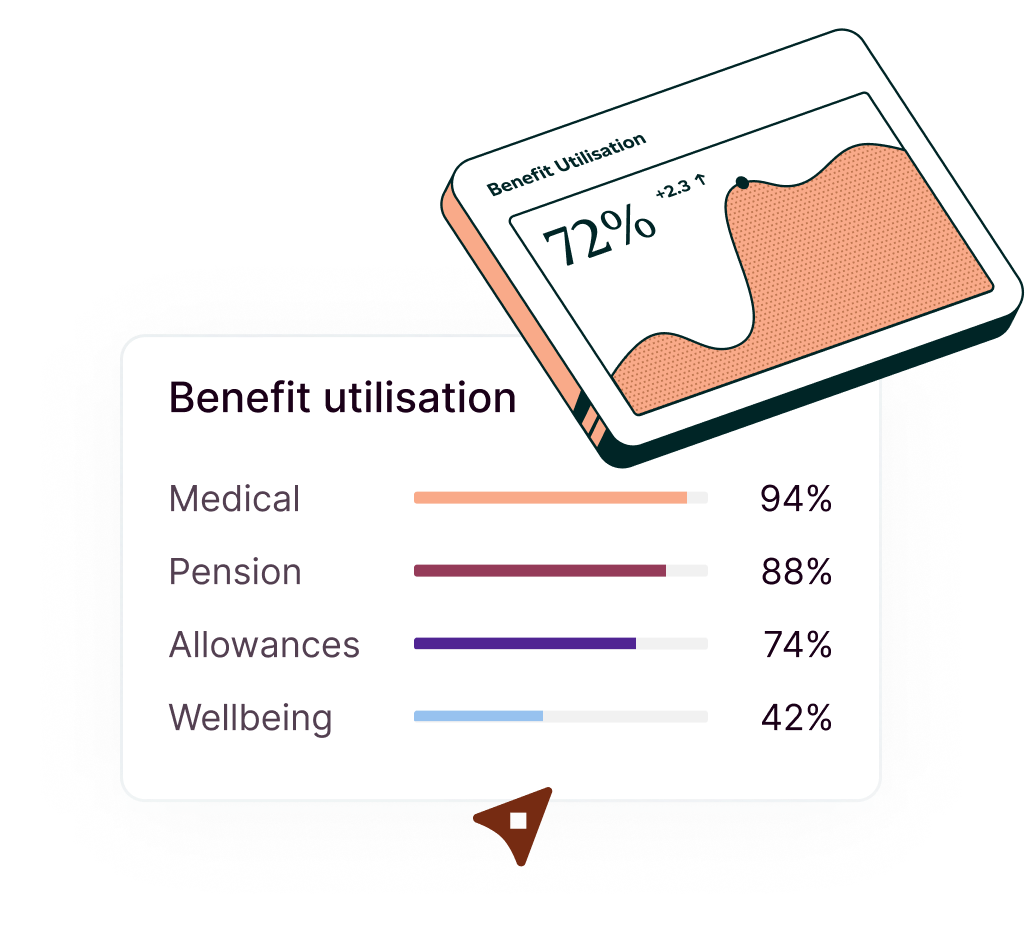
On Happl's employee homepage, people see all their benefits together.
How do I reach frontline and deskless employees?
Make benefits easy to use on a phone. Then tell frontline staff about them in places they'll see, like a poster on site or a reminder from their manager.
If benefits live on a desktop portal and every update arrives by email, frontline staff hear about them last, if at all. Someone on a warehouse shift might only check their inbox on a break, and a benefits update is easy to miss there. Missing out on benefits can also make people feel less a part of the company.
Make sure every step works on a phone, then tell people it's there.
- On site. Put a poster with a QR code in the break room, so people can open their benefits on their phone.
- Through managers and team briefings. Ask managers to mention benefits in team meetings. People are more likely to listen to their manager than read an email.
How do I communicate employee benefits so people actually use them?
Tell people about the benefits that apply to them, when they're most likely to need them, and make them easy to use.
Many companies only talk about benefits once a year, at enrolment. By the time someone needs a benefit, they've often forgotten they have it.
A few things make the difference:
- Show what applies to them and what it's worth. A total reward statement shows each person what their whole package is worth.
- Talk about benefits all year. Joining, a new baby, illness and renewal are all moments when a benefit becomes useful. Use a few different channels, not one big push at enrolment.
- Target messages by group. Send each message only to the people it's for, such as one site, shift or country, rather than the whole company.
- Don't rely on email alone. Not everyone sits at a computer, so use team briefings and posters too.
- Always include a link. Every message should link to your benefits platform, so people can log in and find out more straight away.
In Happl, admins can add their own banner to the employee homepage, with their own branding, copy, image and button. They can also show a policy banner on any benefit, for example pension auto-enrolment information. So employees see your messages as soon as they log in.
How do you measure benefits uptake?
Measure how many people actually use each benefit and compare across teams and locations. Don't just count how often people log in.
Logins mislead. An employee assistance programme with high enrolment and few calls looks healthy and isn't. And a portal that everyone opens in enrolment week and no one opens after tells you about enrolment, not about use.
Track a few measures for each benefit:
- Enrolment rate by benefit. How many of the people eligible have signed up.
- Use or claims by benefit. How many of them have actually used it. This is the number that shows whether it's working.
- Compare sites, countries and job levels. If a benefit is used a lot at head office but hardly at all at other sites, that's a sign staff at those sites don't know about it or find it hard to use.
- What employees tell you. Ask people what's getting in their way. The numbers show what's happening, but not why.
How to increase employee benefits uptake, step by step
Start by checking which benefits people use. Make sure everyone can get to them, then plan your messages and track what changes.
1. List every benefit with its cost and how many people use it
Write down each benefit, what it costs per head and how many people use it. The gap between the cost and the use shows you where uptake is weakest.
2. Ask employees what they know about and what gets in their way
Run a short survey or a few team conversations. Ask which benefits they know about, which they've used and what stopped them. Make sure you hear from frontline staff, not just office teams.
3. Put every benefit in one place
Give employees one place to find everything they have. Connect it to your HR system so it changes when people join, leave or move.
4. Make sure everyone can get in from a phone
Check that signing in, resetting a password and opening each benefit work smoothly on a phone.
5. Plan your benefits messages for the whole year
Plan a calendar of benefits messages for the year, not just enrolment and renewal. Cover new starters in their first week and promote other benefits at the right time of year, like your employee assistance programme during Mental Health Awareness Week.
6. Pick your measures and check them every quarter
Track how many people sign up for and use each benefit, split by site, country and job level. Check the numbers every quarter to see what's changed.
7. At renewal, stop paying for benefits nobody uses
If a benefit still has low use after you've fixed access and communication, consider dropping it and spending the money on something people will use.
Making every benefit easy to find with Happl
People use the benefits they can find, get into and see are theirs.
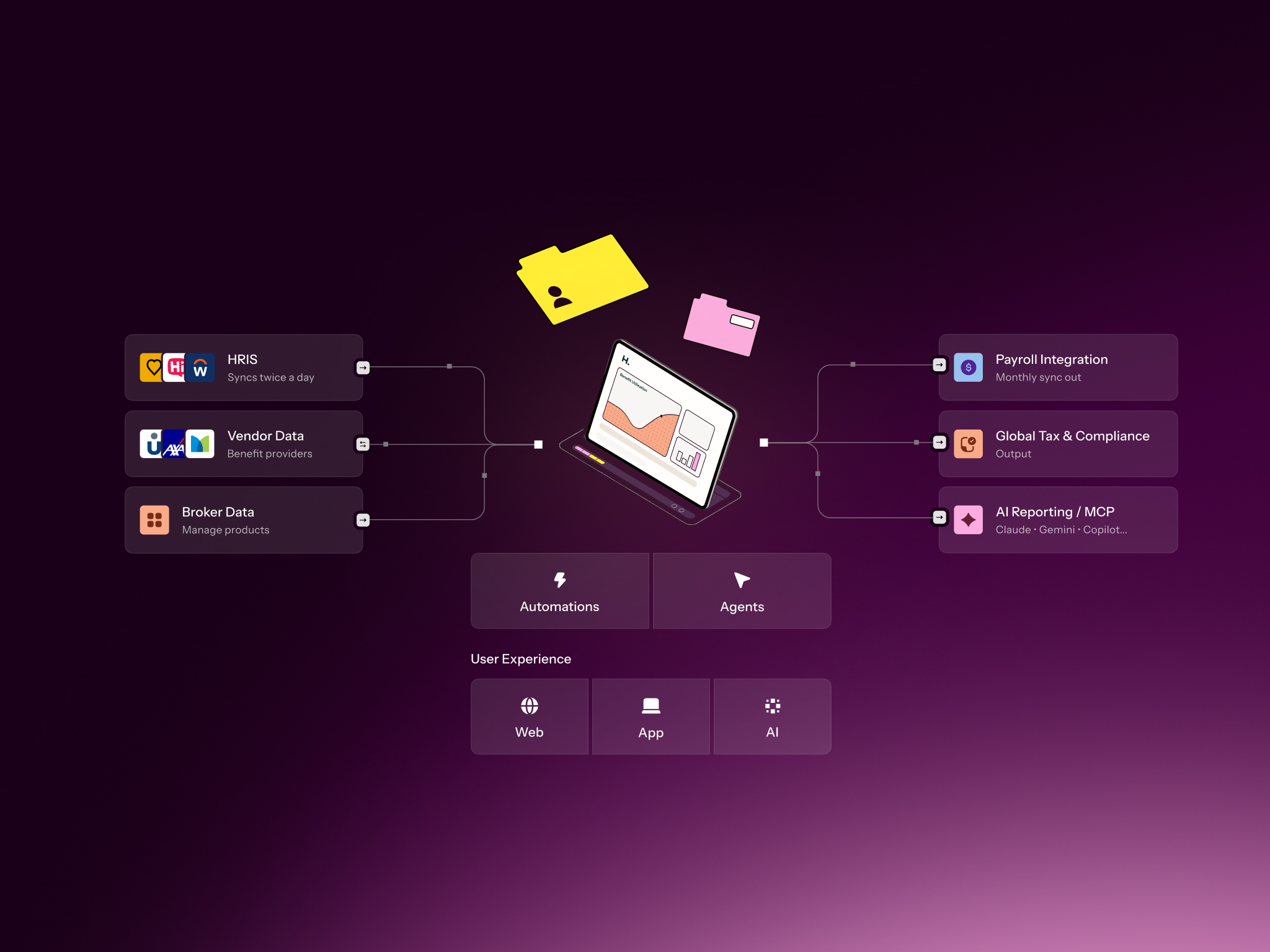
Happl is the benefits operating system for global enterprises. On the employee homepage, people see all their benefits together, and admins can add banners where people look. See how Happl brings every benefit into one place.
Employee benefits uptake FAQs
Why don't employees use their benefits?
Most don't know what they have or can't get to it. Only 36% of employees in Drewberry's 2025 survey said they fully understood their benefits package. Others give up because they've forgotten their password or the portal is hard to use.
How do you communicate benefits to employees?
Keep messages short and relevant, send them throughout the year, and always include a link to your benefits platform. A short message about one useful benefit does more than a long list sent once a year.
What's a good benefits portal for employees?
A good portal lists every benefit in one place, including the ones other providers run. It works well on a phone, shows each person what applies to them and stays current as people join, leave and change role.
What's a good benefits uptake rate?
There isn't one UK figure to aim for, because uptake depends on the benefit and who it's for. Compare each benefit with its own results over time and across sites, countries and grades.
How often should you communicate benefits?
All year, not only at enrolment and renewal. Tie messages to moments when a benefit becomes useful, such as joining, a new baby or illness.
Can AI help employees understand their benefits?
It can, once people can see what they have. An assistant can only answer questions about benefits if it can read each person's own, so the first job is getting every benefit into one place that stays current. In Happl, employees can ask Happl AI questions about their own benefits inside the platform.


Offer true flexibility to your team today
See how Happl runs spend allowances at scale, with eligibility, spend controls and payroll reporting automated across every market you operate in.