
Why communication is one of the biggest barriers to benefits engagement


Since starting Happl, I've spoken with hundreds of HR and benefits leaders. The conversations vary: company size, sector, how long they’ve been in the role. But one frustration comes up more than any other.
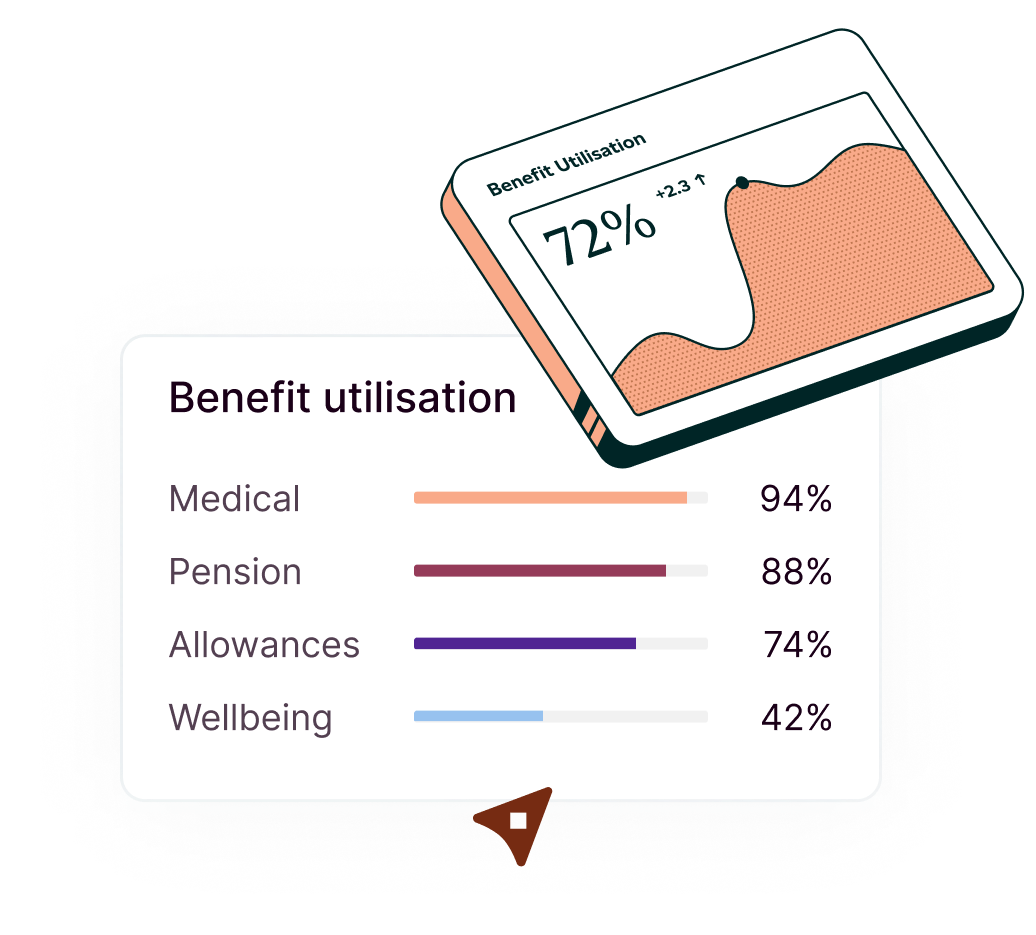
They've built something they're genuinely proud of. A benefits package that took time, budget, and real effort to put together. And when they look at the utilisation data, it doesn't reflect any of that.
Employees aren't engaging. The team can't figure out why.
In almost every case, the package itself isn’t the problem. Employees simply don't know what they have. Not because they don't care. Because nobody has found a reliable way to tell them.
The gap between spend and impact
Benefits teams work hard to build the best offering. But ask most employees what they have access to, and the answer is vague. They know about their pension. They might know about health insurance if they've had to use it. But not much beyond that.
Low uptake gets framed as an engagement problem. Employees don't care or don’t want the benefits on offer.
In most cases, employees aren't disengaged. They're uninformed. They don't know a benefit exists. Or they know it exists but have no idea how to access it. Or they tried once, it was complicated, and they never went back.
Money is being spent. But the value isn't landing.
Where communication breaks down
Benefits platforms help HR teams manage complex programmes. Enrolment, reporting, compliance, flex administration. That functionality matters and it's improved significantly over the years.
Where most platforms fall short is in how benefits are communicated to employees. The architecture was built for administration. Surfacing the right benefit to the right person at the right moment was never part of the design.
So it ends up looking like this:
- Employees get a link during onboarding to an intranet, portal or Google form. Or even multiple invites to multiple platforms.
- If there is a single portal, the information is correct but employees need to know what benefit they’re looking for.
- It’s one size fits all. A new parent and a recent graduate with entirely different needs get the same generic summary.
- Benefits relevant to a specific life moment, such as a health concern, a change in working pattern or new child, aren't surfaced until the employee already knows to ask.
Most platforms simply weren't built to communicate proactively. There are no push notifications. No sequenced messaging. No seasonal or life-stage triggers. Employees have to come to the platform. The platform doesn't come to them.
Employees might have the right benefit to match their specific needs ready and waiting. They just don’t know it exists so it doesn’t get used.
What it costs when this goes wrong
The business case for fixing this is straightforward.
Unengaged benefits are wasted budget. Gym memberships nobody uses. Mental health apps with a handful of active users. EAPs where high enrolment masks near-zero engagement. The money is going out but no one is getting the full value.
That wasted spend is quantifiable. The harder cost to measure is what happens to the employee relationship.
People who don't know about their benefits don't feel looked after, even when they are. They experience their employer as one that doesn't invest in them, regardless of what the package actually contains. The effort HR has put in is invisible. And invisible investment doesn't build trust, loyalty, or the sense of belonging that benefits are supposed to create.
There's a cost to HR teams too. They've built something real, and they can't show the return on it. When engagement data is flat and utilisation is low, justifying benefits investment to the business becomes harder. Not because the investment was wrong, but because the communication layer failed. Benefits teams end up defending spend they know is valuable, with data that doesn't reflect it.
How Happl fixes this
Happl is built to close this gap. The platform handles the full benefits management experience for HR teams, and gives employees a genuinely useful way to discover, access, and manage their benefits.
Here's what that looks like in practice:
- A single place for the full benefits picture. Employees can see everything they're entitled to in one place, not scattered across multiple portals and documents. HR teams have the same unified view, with the reporting and management tools they need.
- Communication that doesn't stop at enrollment. Happl is built to keep benefits visible. New joiners are introduced to what's available from day one. Employees can easily opt-in or out of benefits. Allowances are visible and easy for HR teams to adjust.
- Accurate, automated workflows. Happl's rules engine means different employees see different benefits, by country, role, grade, or employment status. A logistics worker in Germany and a senior hire in London don't get the same generic list. The right benefits are displayed automatically, without HR manually inputting the right list for each employee.
- AI-powered recommendations. Employees can ask Happl AI what benefits are available to support a specific need or situation. They get answers quickly without HR having to field individual questions.
- Global benefits in one platform. For organisations managing benefits across multiple markets, Happl brings consistency to the employee experience regardless of where people are based.
The goal is benefits that employees actually know about and can access without friction. HR teams get the admin and reporting capabilities they need. Employees get an experience that reflects the investment their company has made.
When benefits work, you know it
The companies that close the communication gaps see it in the numbers. Happl customers see over 90% employee engagement with their benefits platform. HR teams aren’t working away in the background; the offering they’ve put together is visible, accessible and relevant to their whole workforce.
Benefits that employees actually know about do something an invisible package never can. They show up in retention, in satisfaction scores, and in how people talk about working there.
Want to see how it could work for your team? Book a call with one of our benefits experts and see how easy benefits admin becomes when AI is built in from the start.



Offer true flexibility to your team today
See how Happl runs spend allowances at scale, with eligibility, spend controls and payroll reporting automated across every market you operate in.