
How to get the most out of REBA 2026


REBA Congress is back on Thursday 18 June at Convene 133 Houndsditch in London. One day, 8am to 6pm, 100+ exhibitors across two floors, and an agenda built around health, risk and prevention.
It's a packed programme. Most breakout slots have 8 or more options running at the same time, several workshops are restricted by headcount or invitation, and AI, automation and personalisation dominate the agenda. A bit of planning before you arrive makes a big difference.
If you manage benefits across multiple countries, start with the Multinational Lounge breakfast at 8:25am. It's a facilitated networking session with regional zones for Europe, APAC, the Middle East & Africa and the Americas, hosted by benefits leaders from DHL, Microsoft, Comcast and more. Spaces are limited, so book early.
Here's where we'd spend the rest of the day.
AI in benefits
AI is everywhere on this year's agenda. The sessions worth your time are the ones asking what has to be true before it works in reward and benefits.
- GSK's journey towards an AI-enabled global reward and benefits experience (keynote, 9:15am, Partnership Forum). Jo Rees and Dr Amanda Bunten are telling the story mid-journey including the questions they still haven’t answered, which is the really useful bit.
- Building the right mindset, capability and culture to embrace tech and AI and drive change and innovation (Gallagher workshop, 8:25am). A solid alternative to the Multinational Lounge if breakfast networking isn't your thing. It's designed for organisations with 1,000+ employees.
If those sessions get you thinking about what AI-enabled benefits would look like in your own organisation, that's exactly what we'll be showing at stand 86. In Happl, employees ask the AI about their entitlements in plain language, and behind the scenes it handles vendor emails, validates invoices against live employee data, and drafts benefit policies in under a minute.
Benefits platform, data and governance
Another theme that comes up across the agenda: technology can't fix a benefits programme with weak foundations. These two sessions deal with getting the infrastructure right first.
- The blueprint for driving great outcomes from your benefits spend: strategy, governance and data (Howden masterclass, 11:15am). Takes REBA's Benefits Design Research and turns it into a practical playbook: how mature benefits teams operate, which measures actually indicate success, and what's holding reward teams back.
- Meet the Case Studies: implementing a benefits platform (roundtable, 4pm). New for 2026, with reward leads from Edrington and Philip Morris International. Honest peer experience on what implementation is really like is hard to come by, so take advantage.
The gap between having a benefits strategy and executing it cleanly is usually operational. Happl's rules engine handles eligibility, enrolment and changes automatically, so when someone joins, leaves or changes role, the admin happens without anyone touching it.
Personalisation
Employees expect benefits that are relevant to them, and employers are under growing pressure to show their spend is landing.
- From strategy to activation: data & AI driven reward, benefits and wellbeing (Aon, 12:20pm). This is about the practical side: using AI to personalise the employee experience, why data quality decides whether it works, and how predictive analytics prove the financial impact.
- The emerging health-tech landscape (Lara Lewington keynote, 9:15am, Enterprise Hall). Personalised prevention and how to separate science-backed health tech from snake oil. It clashes with the GSK keynote, so if you're attending as a team, split up and swap takeaways at coffee.
Personalising benefits across a global workforce is the problem Happl's smart groups solve. Each person sees only what they're eligible for, based on their country, role and life stage, and it updates automatically as their circumstances change.
Pay transparency and reward strategy
With the EU Pay Transparency Directive now in force, employers have to be more open about total compensation with both their workforce and government bodies. Two sessions stand out on this:
- The ripple effect of pay transparency on reward decisions and equity (Brightmine, 10:40am). What credible transparency demands of your job architecture and pay governance, and how UK equality action plans compare to EU requirements.
- The transparency trade-off: is there a perfect pay structure? (spotlight session, 11:15am). Innecto and B&Q contrast structured pay spines against flexible broad bands. Fair warning, it clashes with the Howden masterclass above, so pick based on whether pay or platform strategy is your bigger 2026 headache.
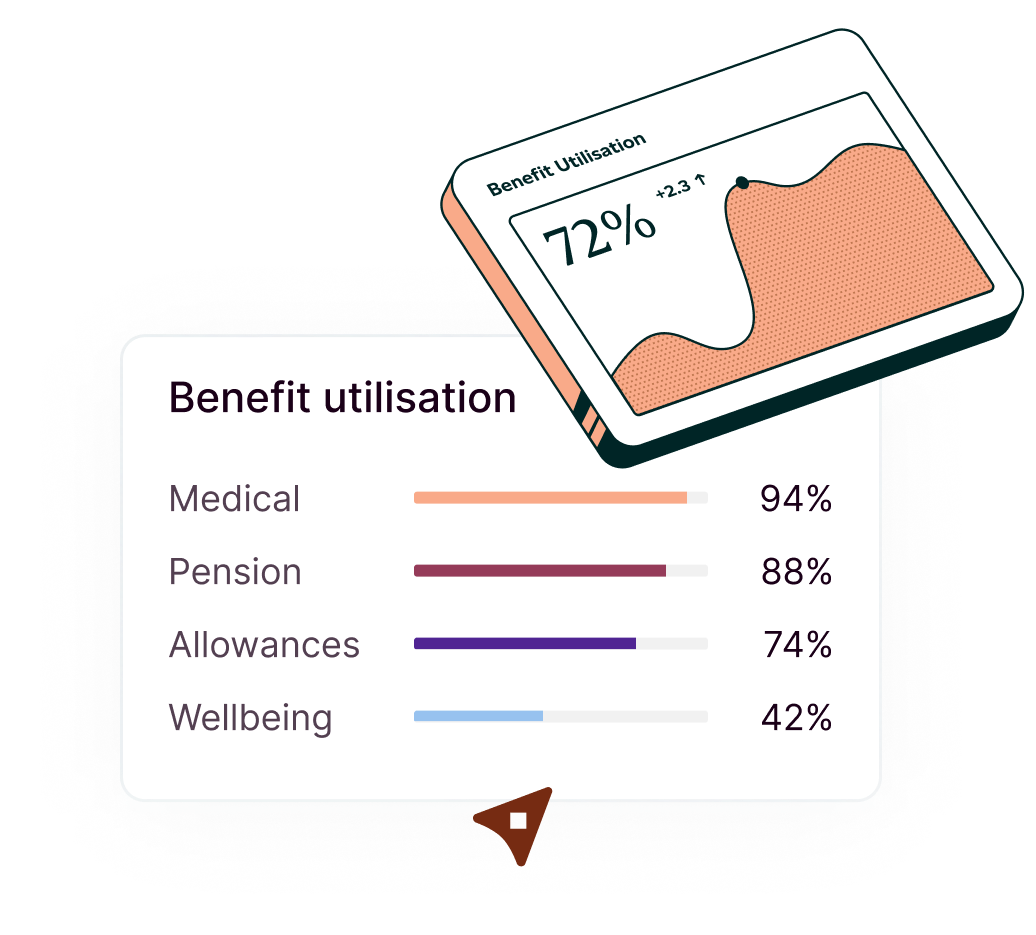
Much of the difficulty with transparency comes down to having clean, consistent data in the first place. Happl gives you a full audit trail of how benefits are applied across your workforce, with real-time reporting ready whenever reward decisions come under scrutiny.
Come and talk to us at stand 48
If the agenda tells us anything, it's that reward teams everywhere are wrestling with the same thing: too much manual admin standing between them and the strategic work. That's the problem Happl was built to fix.
We're a global benefits platform that removes benefits admin entirely. Eligibility, enrolment, provider changes and payroll reporting all run automatically through a rules engine connected to your HRIS, across 160+ countries.
Come and find us at stand 48. We'll happily show you the platform on the day.. Want proper 1-1 time instead of a conversation over coffee queues? Book a slot with us here and we'll get it arranged over the coming weeks..
And whatever you do, stick around for Louis Theroux on the sofa at 4:50pm. See you on the 18th.
Offer true flexibility to your team today
See how Happl runs spend allowances at scale, with eligibility, spend controls and payroll reporting automated across every market you operate in.