

What the EU Pay Transparency Directive means for global teams


The EU Pay Transparency Directive is EU legislation that requires employers to be open about how they pay people. From June 2026, any employer with staff in EU member states must publish pay ranges in job postings and respond to individual employee requests for comparative compensation data. Employers with 100 or more employees also have pay gap reporting obligations, with first reports due in 2027.
This doesn’t only apply if you’re headquartered in Europe. If any of your workforce are in the EU, the directive applies to those employees. So this change will impact most global companies.
And many global teams are not ready for it.
What the directive requires
The directive applies to any employer with staff in EU member states, with different requirements based on company size.
All employers, regardless of size, must publish pay ranges in job postings and respond to individual employee requests for comparative pay data from June 2026. The pay gap reporting requirement is where size matters.
If you have 250 or more employees, you need to report on pay gaps across your EU workforce from 2026, with first reports due in 2027. Employers with 150 to 249 employees also report by 2027, but every three years rather than annually. Those with 100 to 149 employees have until 2031. Companies with fewer than 100 employees have no reporting obligation, though the core transparency rights still apply.
Reports are sent to the national enforcement authority in each EU country where you operate, which means many global companies will have to report to several regulators at once.
The scope is broader than most teams expect. The directive covers total reward, not just salary. That means bonuses, equity, pension contributions and benefits are part of the calculation too.
Two things set this apart from the reporting most HR teams are used to.
First, a pay gap above 5% is not just something you disclose. You have to justify it. That means explaining why the gap exists, which you cannot do if your compensation data is fragmented across systems. Any unjustified gaps have to be remediated.
Second, employees can request comparative pay information individually. If someone wants to know how their total compensation compares to a peer in the same role or grade, you have to be able to answer them directly.
It all means you have to justify differences on demand, respond to individual employees, and account for everything you pay. Making it an infrastructure problem as much as a compliance one.
The benefits blind spot
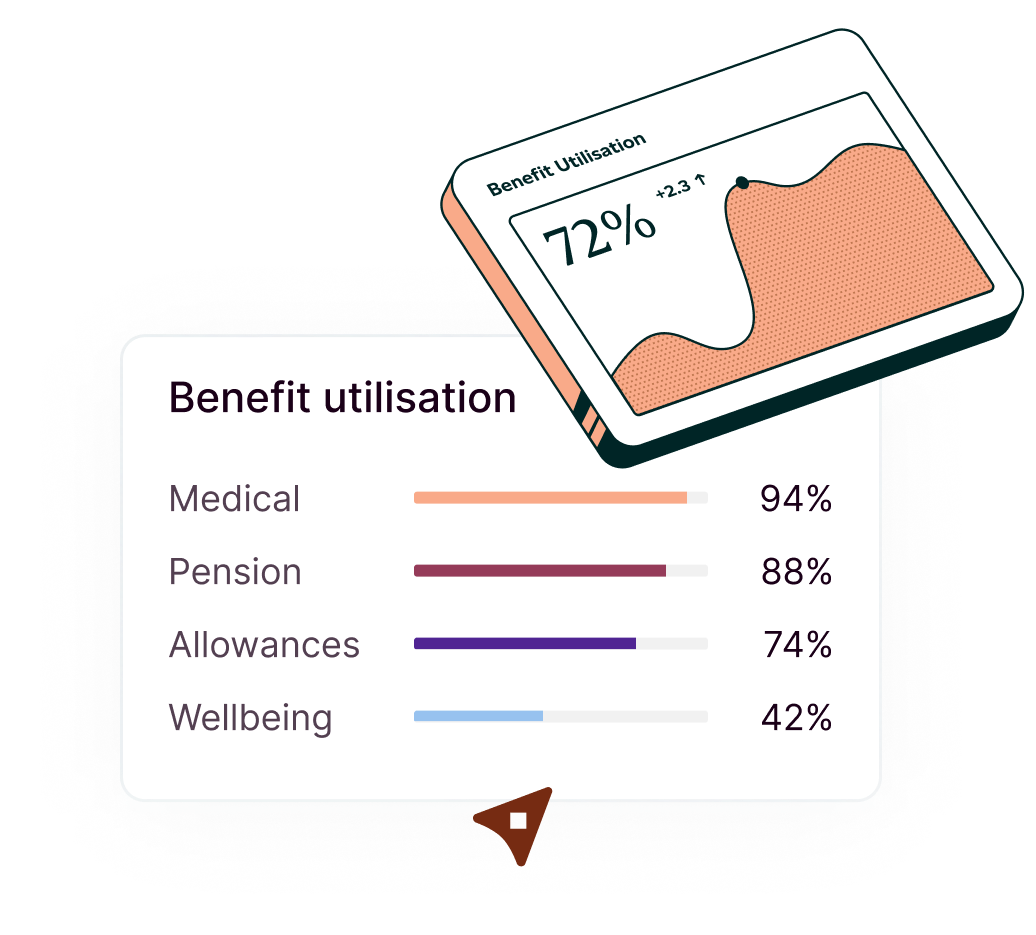
Benefits typically represent 10 to 30% of an employee's total reward value. And in most global organisations, benefits data is the least structured part of the compensation picture.
UK employees might be on one benefits platform. German employees on another. French employees have statutory benefits layered on top of discretionary ones. Each country has different vendors, different structures, different norms. Nobody has a single view of what every employee is actually receiving in total.
Here is why that matters for pay transparency. Benefits often vary by role, level, location, or tenure. Sometimes intentionally. Often inconsistently, and without documentation. When an employee in one cohort is receiving benefits worth thousands more annually than a peer in the same grade, that gap is real. It just does not show up anywhere unless you consolidate total reward across your entire workforce.
If a regulator asks, or an employee requests comparative data, you cannot explain what you cannot see.
The challenge for global teams
Fragmented data is a challenge for all employers but it becomes increasingly complex for global teams.
Salary lives in your HRIS. Bonuses sit in payroll or regional spreadsheets. Benefits are managed by multiple local vendors across multiple countries. Job architecture is often inconsistent across geographies. And there is rarely a single person, or system, with a complete view.
The result: when it comes to reporting, it becomes a manual exercise. Someone in HR or finance spends weeks pulling data from different sources, converting currencies, trying to align job levels that were never designed to be compared.
That process does not meet the standard the directive sets. You need to be able to answer individual employee requests. You need to produce auditable outputs. You need to explain gaps, not just surface them. None of that is possible if your data model does not exist.
What has to change
The directive will force three structural changes in how organisations manage and think about compensation. Organisations that recognise this early will turn compliance into a competitive advantage. Better data, better conversations, better decisions.
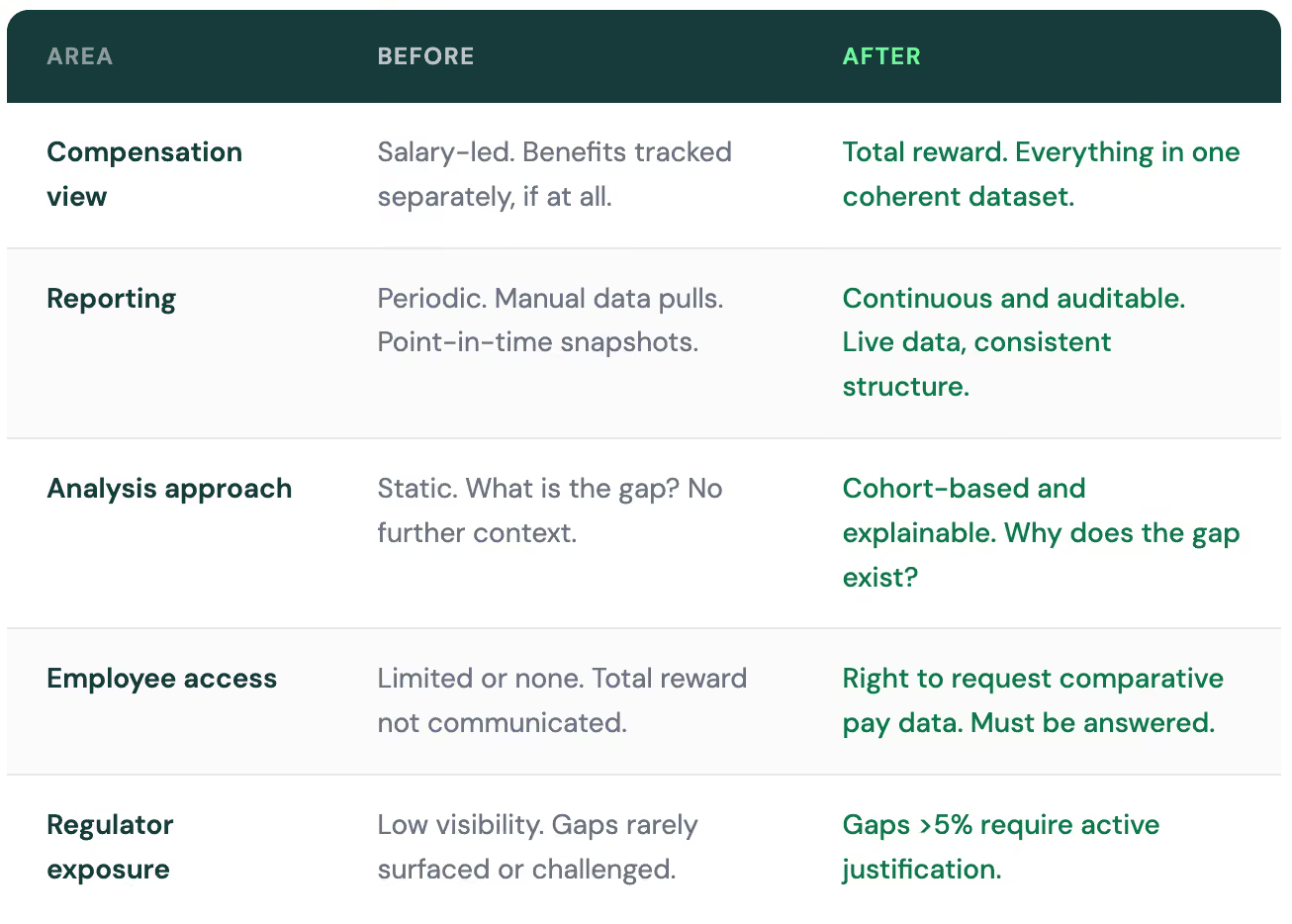
Companies that treat this as a reporting exercise will struggle. Those that build a structured, centralised reward dataset will be ready, not just for the directive, but for better decision-making across their organisation.
What good preparation looks like
There are three things you need in place. All of them require treating this as a data infrastructure problem, not a reporting one.
A single view of total reward across all geographies. Pay and benefits in one place, with a consistent data model that works across countries. Happl is built for this. It brings salary, all benefit types, employer contributions, and local variations into a single dataset, including a live Total Reward Statement for every employee, wherever they are based.
A reward framework that enables comparison. The directive requires cohort-level analysis: by gender, role, grade, department, and geography. Without consistent job architecture and a structured global data model, that analysis is not possible. Happl enables you to cohort reward data across your entire workforce, so you can identify gaps, understand their drivers, and produce outputs that hold up to scrutiny.
The ability to explain differences, not just report them. Most tools stop at showing you a number. The harder question is why the gap exists, and what it would cost to close it. Happl includes remediation modelling, so you can plan a response rather than just flag a problem.
The practical takeaway
If you employ people in EU member states, the directive applies to you now. The first reports are due in 2027, which sounds like plenty of time. It is not, if you are starting from fragmented data across multiple countries and systems.
The teams that will be ready are the ones building a proper view of total reward today, across every country, every benefit, and every cohort. Not the ones scrambling to pull it together before a deadline.
Offer true flexibility to your team today
See how Happl runs spend allowances at scale, with eligibility, spend controls and payroll reporting automated across every market you operate in.